
Robotics at Logan Academy
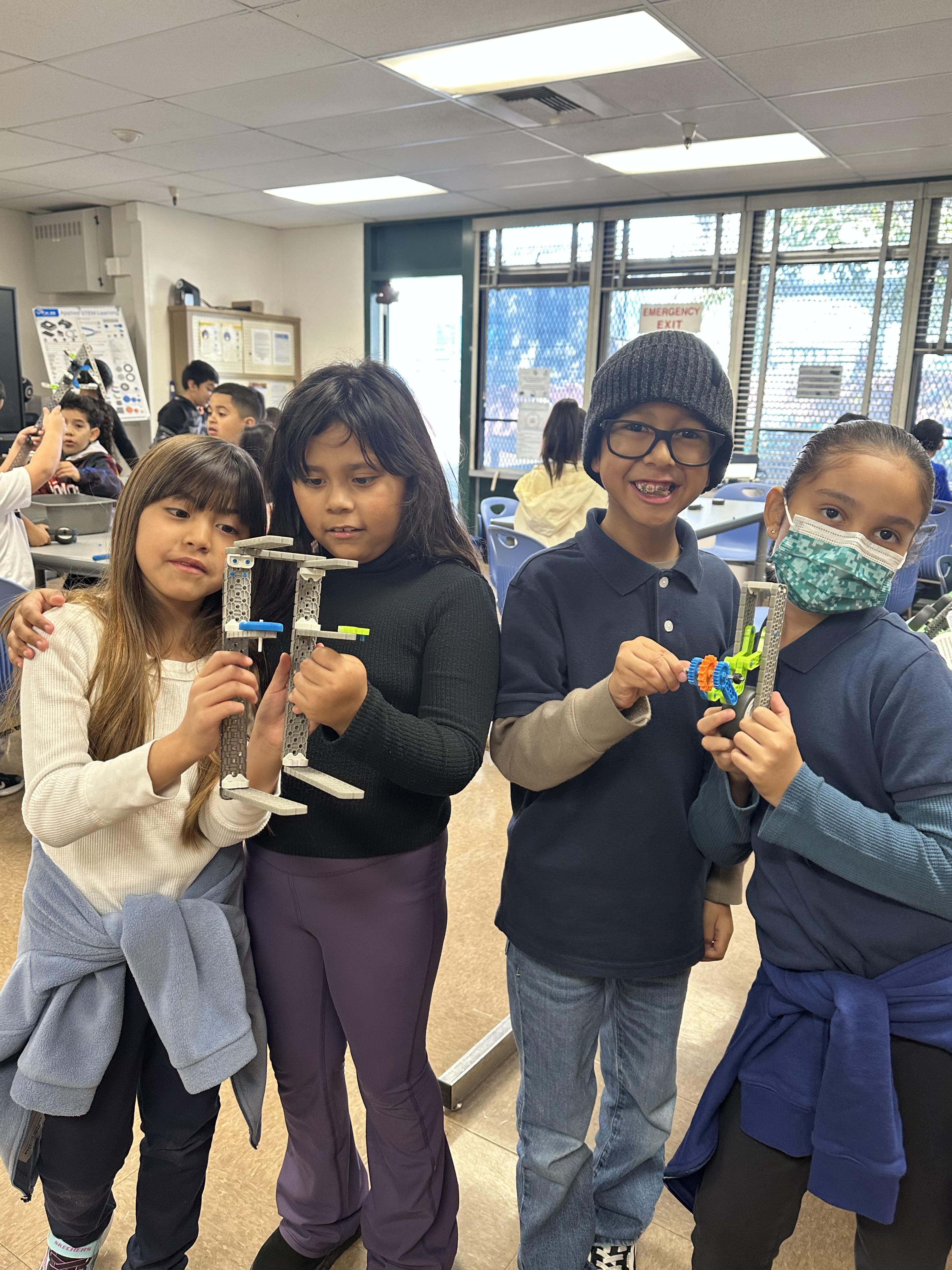 An Elementary and Middle School Robotics Program integrates hands-on technology learning into the school day while providing opportunities for deeper exploration through after-school clubs and competitive robotics teams. The program is designed to build technical knowledge, collaboration, and creative problem-solving skills that students will need to address the complex challenges of the future—especially those related to global ecology and sustainability.
In-School Robotics Classes
During the regular school day, students attend robotics classes taught by a dedicated Robotics Teacher. These classes introduce students to the foundations of robotics, engineering, and computer programming in an engaging, project-based environment.
Students learn to:
- Design and build robots using age-appropriate robotics kits
- Write code to control robot movement and sensors
- Test and refine their designs through iterative problem-solving
- Use engineering and design thinking processes
- Apply math and science concepts in real-world contexts
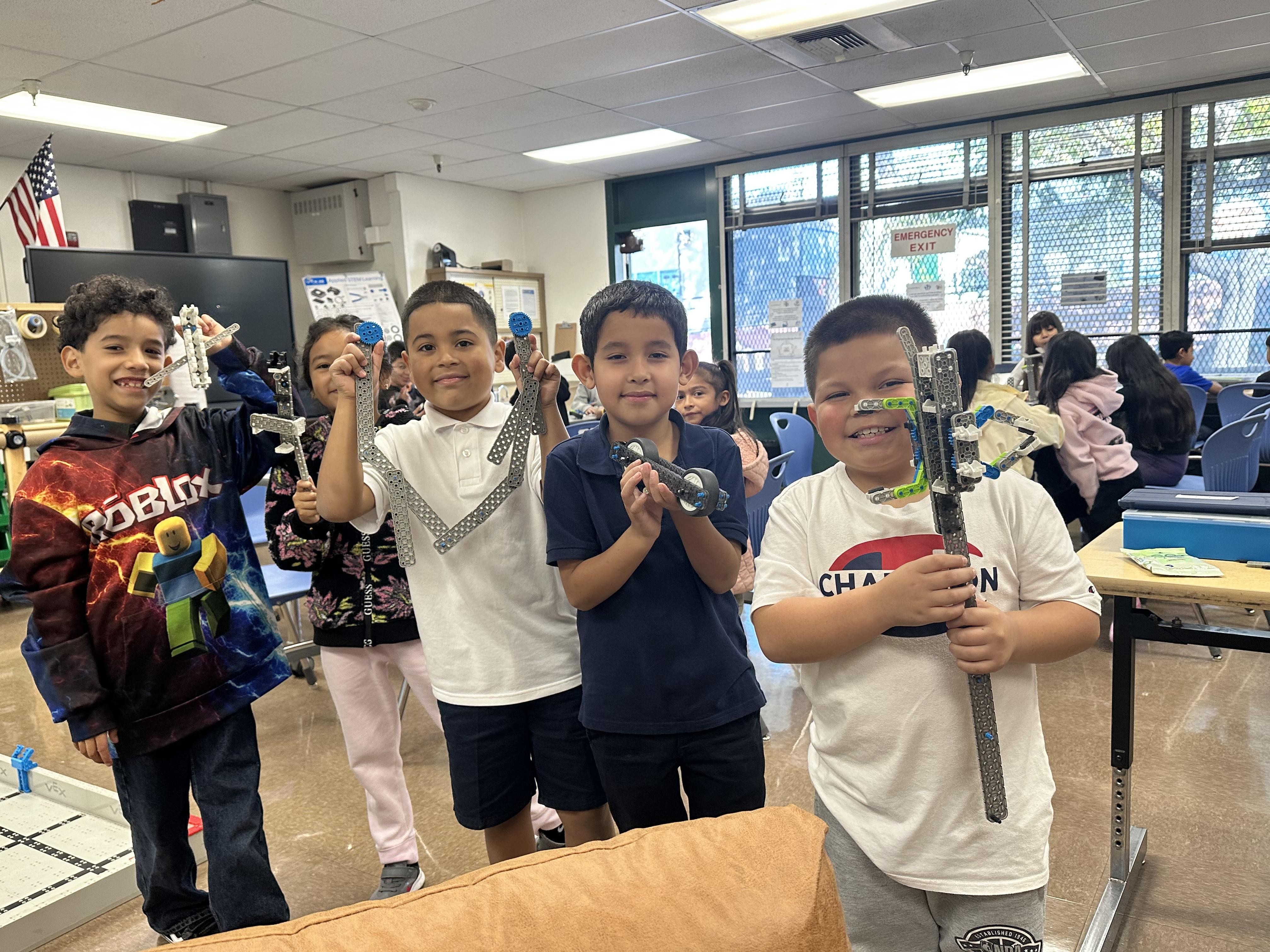 Instruction is scaffolded by grade level so that younger students focus on foundational engineering and block-based coding, while older students begin using more advanced programming, sensors, and autonomous robot behaviors.
Coding and Computational Thinking
Coding is a core component of the robotics curriculum. Students learn:
- Block-based coding in elementary grades
- Introductory text-based programming concepts in middle school
- Algorithms, sequencing, and logic
- Debugging and testing programs
- How software interacts with hardware systems
These experiences help students develop computational thinking skills and a deeper understanding of how technology works.
 Drone Technology
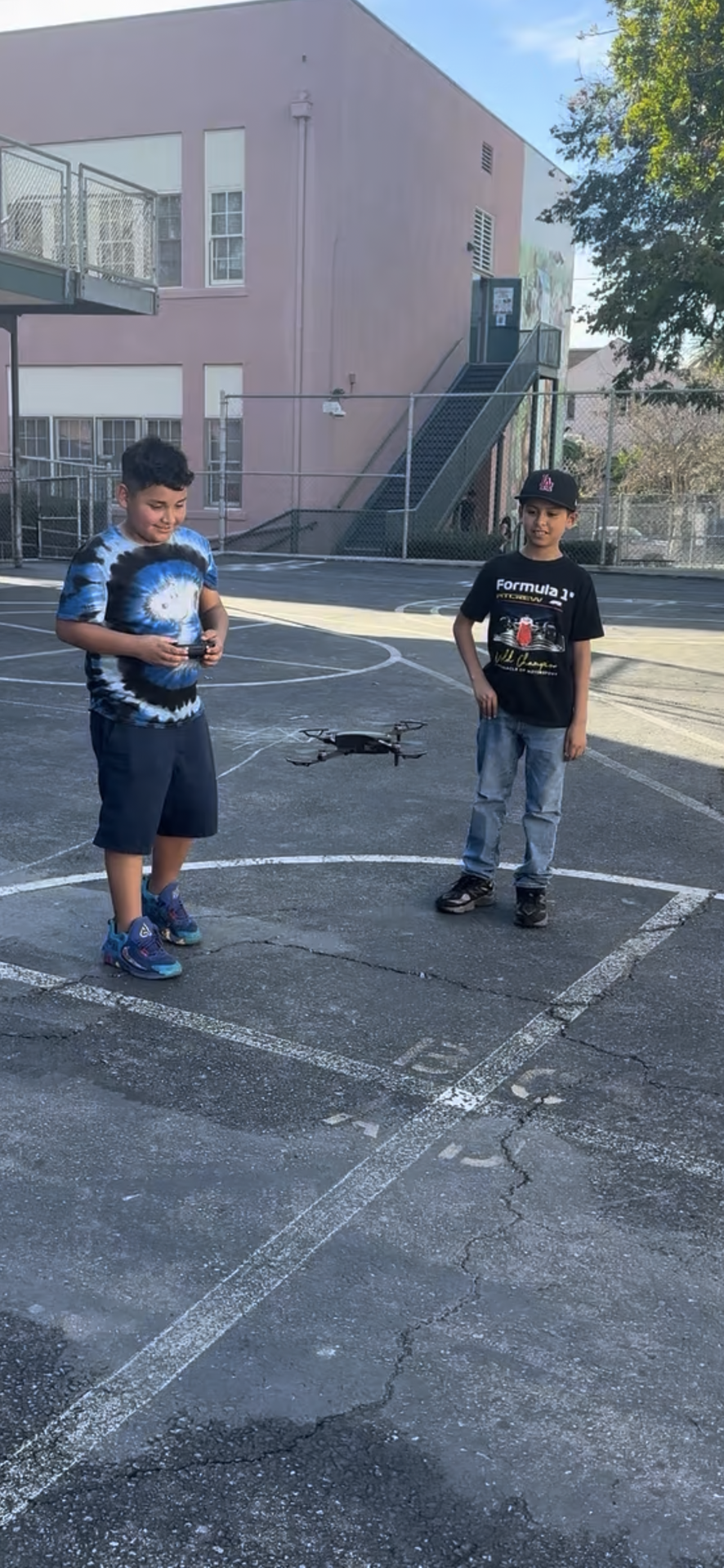
Students are also introduced to drone operation and aerial robotics. Under guided supervision, they learn:
- Basic drone flight principles
- Responsible and safe drone operation
- Programming drones for autonomous flight paths
- Using drones for data collection and environmental observation
Drone activities connect robotics with real-world environmental applications, such as mapping habitats, monitoring ecosystems, or studying environmental change.
After-School Robotics Clubs
Students who want to explore robotics further can join after-school robotics clubs. These clubs allow students to:
- Work on extended robotics projects
- Experiment with new technologies
- Collaborate with peers who share an interest in engineering and technology
- Prepare for inter-school robotics competitions
The clubs encourage student leadership, creativity, and teamwork in a supportive environment.
 Robotics Competitions
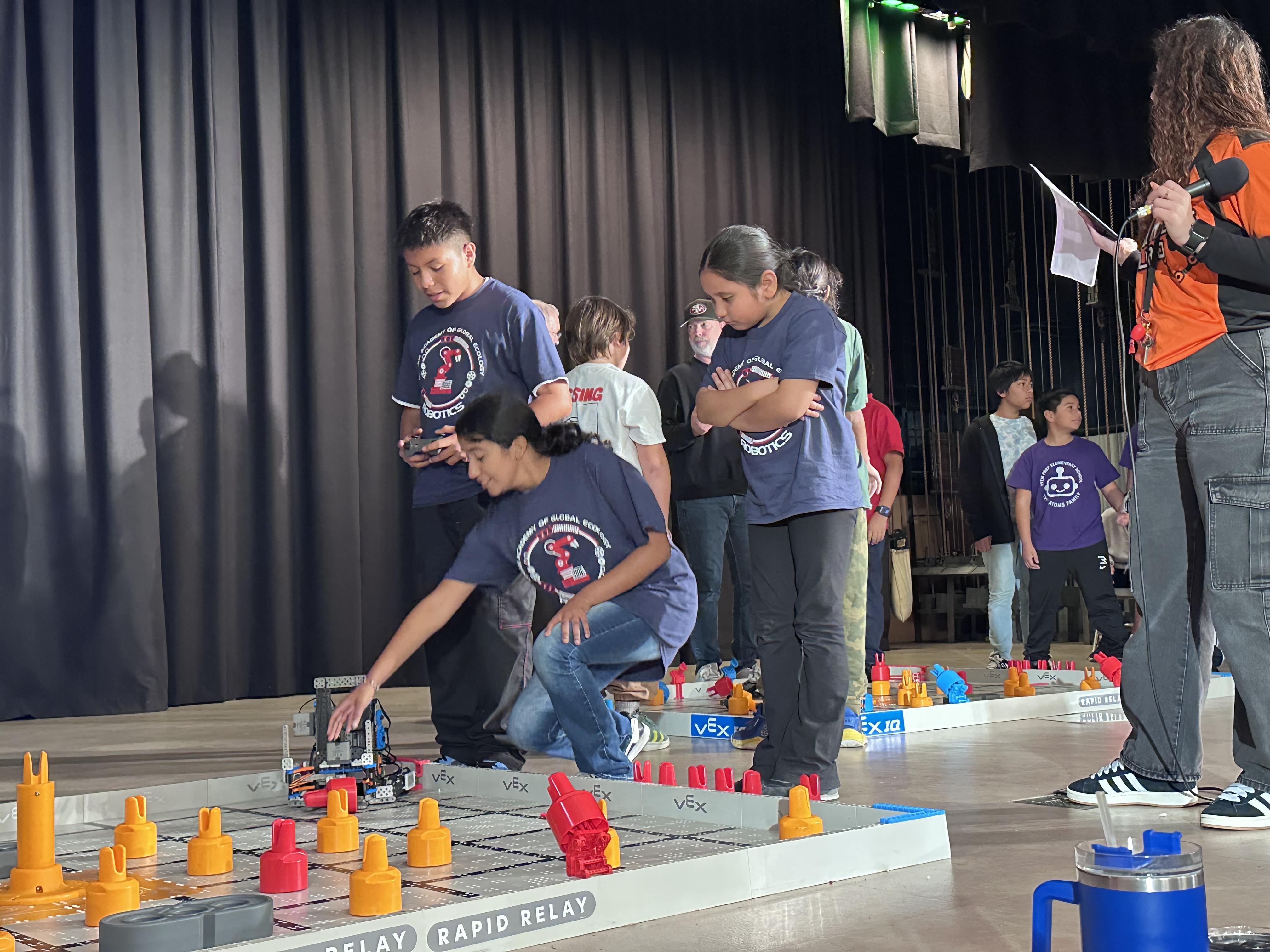
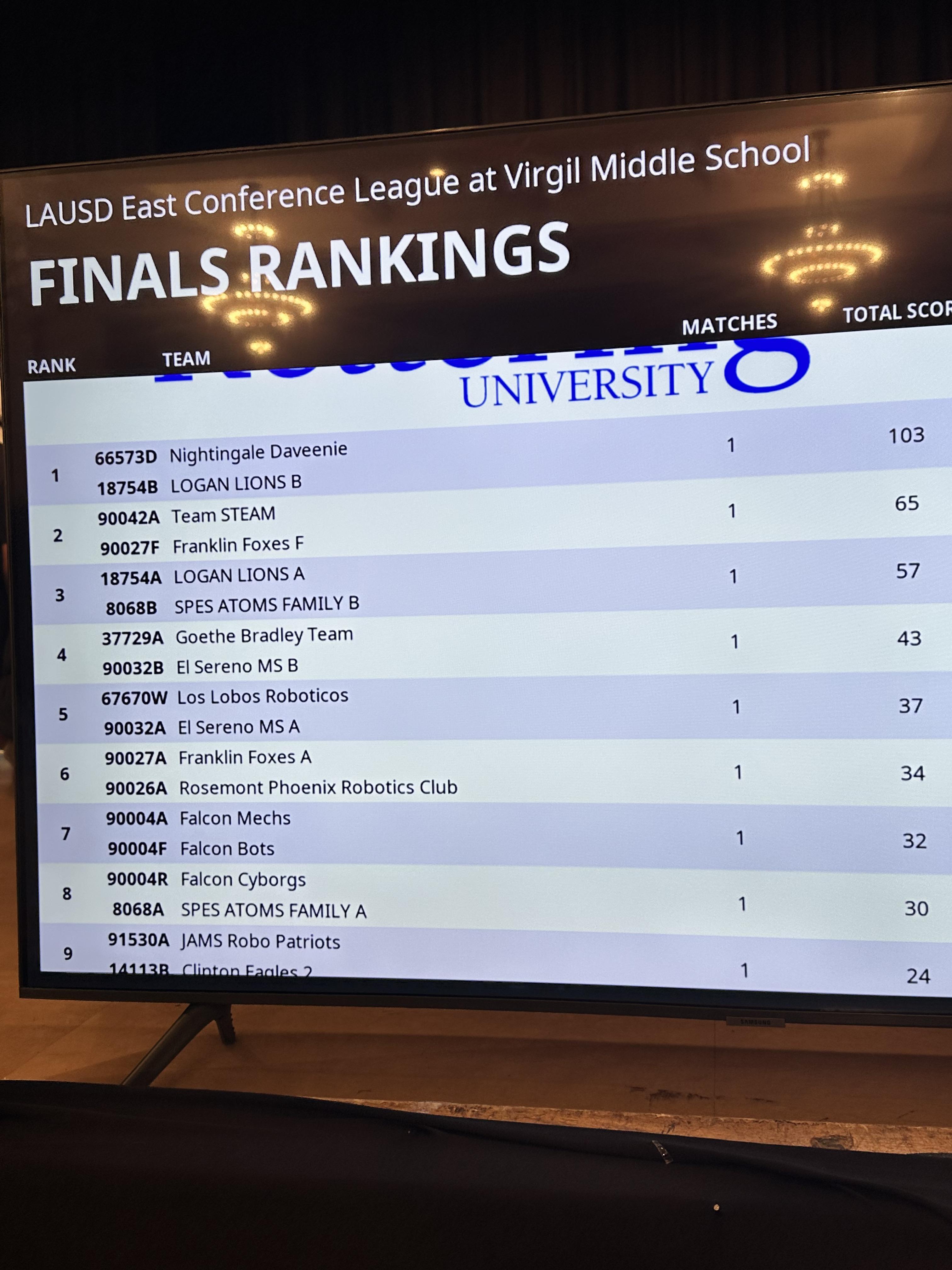
Students in grades 3–8 have the opportunity to participate in robotics competitions against other schools. Competition teams work together to:
- Design and build competition robots
- Develop strategies for completing engineering challenges
- Practice teamwork and communication
- Present their designs and solutions
Competitions motivate students to apply what they have learned while building confidence, resilience, and sportsmanship.
Collaboration and Problem-Solving
Throughout the program, students work in teams to tackle engineering challenges. This collaborative approach helps students develop:
- Communication skills
- Leadership and teamwork
- Critical thinking
- Creative problem solving
- Perseverance through testing and iteration
Students learn that engineering is a process, and that failure is often a step toward innovation.
 Preparing Students for the Future
As a school focused on global ecology, the robotics program connects technology learning with real-world environmental challenges. Students explore how robotics, automation, and drones can be used to:
- Monitor ecosystems
- Improve sustainable agriculture
- Study climate and environmental change
- Design innovative solutions for protecting the planet
By combining robotics, coding, environmental awareness, and collaborative problem-solving, the program prepares students with the skills and mindset needed to become the innovators and problem-solvers of the future.


